What Wisconsin homeowners should know about shingles, metal, and long-term durability during peak roofing season
If you own a home in Wisconsin, your roof takes a beating. That is just the reality of living here. We get heavy snow, ice, spring storms, high winds, summer heat, and constant freeze-thaw cycles that wear roofing materials down faster than a lot of homeowners expect.
At Above The Peak Construction, I talk to homeowners all the time who are trying to figure out which roofing material makes the most sense for their home. Most of them are asking the same thing: what is actually going to last in Wisconsin weather?
That is the right question.
A roof is not something you want to think about twice if you can avoid it. You want to make the right decision the first time, and that means looking past just the upfront price. You need to think about durability, maintenance, long-term value, and how the material is going to perform year after year in real Midwest conditions.
If you are planning a roofing project this summer, here is how I would break it down.
Wisconsin Weather Exposes Weak Roofing Fast
One thing I always tell people is this: not every roofing material performs the same once Wisconsin weather gets involved.
On paper, a lot of materials can sound good. But when you put them through snow loads, ice buildup, wind-driven rain, hot summers, and subzero winters, the differences start to show. That is why I never recommend choosing a roof based on appearance alone.
Your roof has one job. Protect the house. If it cannot hold up through the seasons we deal with here, it is the wrong choice.
That is also why we put so much focus on helping homeowners compare real performance, whether they are looking at our roofing services, planning a full roof replacement, or considering an upgrade to metal roofing.
Asphalt Shingles Still Make Sense for a Lot of Homes
Asphalt shingles are still one of the most common roofing materials we install, and there is a reason for that. They are cost-effective, they look good on most homes, and they give homeowners a solid roofing option without the higher upfront investment of metal.
For a lot of families, shingles are the practical choice. They work well, they fit the look of traditional residential homes, and when they are installed correctly, they can provide dependable protection for years.
That said, I do not like pretending shingles are the best option for every homeowner, because they are not.
They are a good option when budget matters most and you want a proven, familiar roofing system. They are also a strong fit for homeowners who want a traditional look and solid overall value. That is why our roof replacement services are still one of the most requested services we offer.
Shingles Have Their Limits
Here is the honest part. Shingles do have limits, especially in a climate like ours.
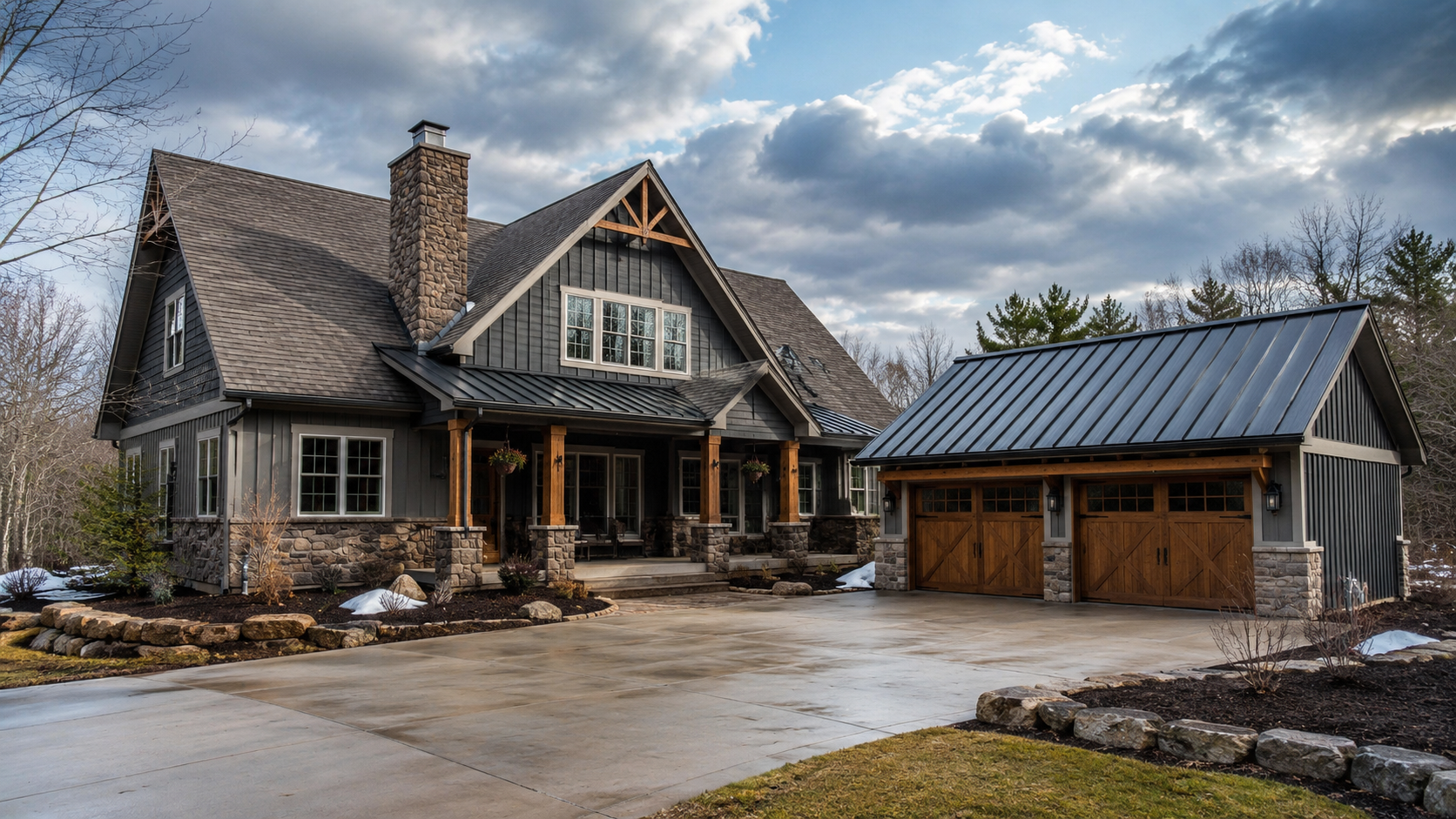
They generally do not last as long as metal. They can be more vulnerable to wear from harsh winters, strong winds, and long-term exposure to changing temperatures. They also do not shed snow the same way a metal roof does, which can make winter performance more dependent on ventilation, insulation, and overall roof design.
That does not mean shingles are a bad choice. It just means homeowners need to understand what they are buying.
If your main goal is lower upfront cost and a clean, traditional residential roof, shingles can absolutely be the right move. But if your goal is maximum durability and lower long-term maintenance, I usually tell people they need to seriously look at metal too.
That is also why one of our related blog posts, Shingle Roof vs. Metal Roof: What’s Best for Wisconsin Winters?, is worth reading if you are weighing both options.
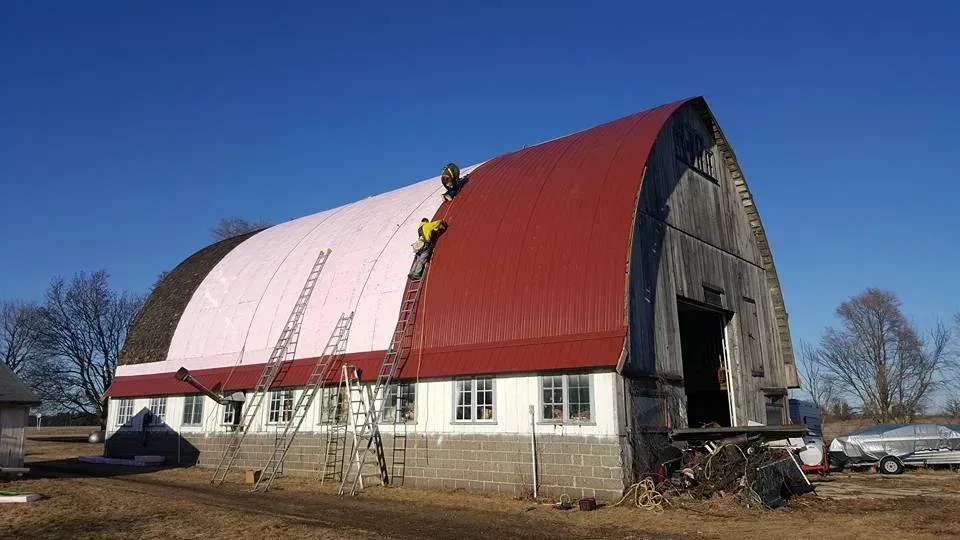
Metal Roofing Is Built for Long-Term Durability
If I am talking strictly about longevity and weather resistance, metal roofing is hard to beat.
Metal roofs are built for tough conditions. They shed snow better, handle harsh weather well, and typically require less maintenance over time. For homeowners who plan to stay in their house for the long haul, metal often ends up being the better investment even though it costs more upfront.
A lot of people hesitate at first because of price, and I get that. But what I tell them is simple: do not just compare the estimate. Compare the years. Compare the maintenance. Compare how each material is going to perform after ten, fifteen, or twenty Wisconsin winters.
That is where metal starts to separate itself.
Our metal roofing page goes deeper into the benefits, but the short version is this: if you want a roof that is built to take abuse and keep going, metal deserves serious consideration.
The Cheapest Roof Is Not Always the Best Value
This is where a lot of homeowners go wrong. They focus entirely on the upfront number.
I understand why. Roofing is a major expense. But if you only look at initial cost, you can miss the bigger picture. A cheaper roof that needs more repairs, more maintenance, or earlier replacement is not really cheaper in the long run.
That is why I always encourage people to think in terms of value, not just price.
Ask yourself:
- How long do I plan to stay in this home?
- How much maintenance do I want to deal with?
- Am I trying to solve the problem for now, or solve it for the long term?
- How important is weather resistance in my decision?
Those are the questions that lead to better roofing choices.
We also have a related post called How Long Do Roofs Last? A Breakdown by Material, and that is another good resource for homeowners trying to compare roof lifespan more realistically.
The Material Matters, but the Installation Matters Just as Much
This is something I will never stop saying: the best roofing material in the world can still fail if it is installed poorly.
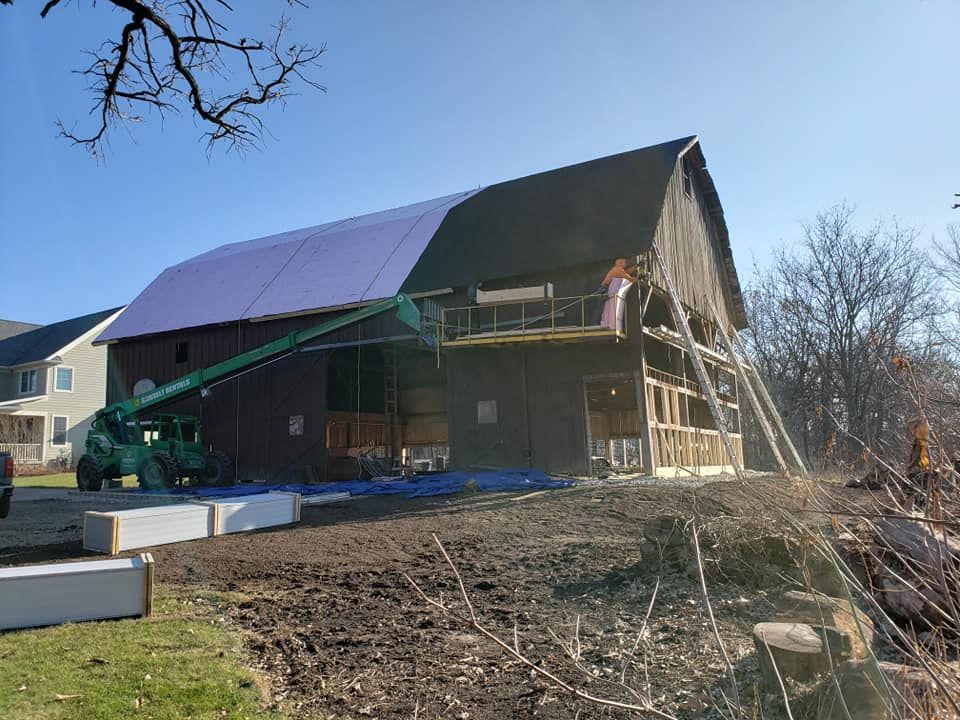
A roof is not just shingles or metal panels. It is the full system. Flashing, underlayment, ventilation, drainage, edges, penetrations, and workmanship all play a role in how well that roof performs over time.
That is why choosing the right contractor matters just as much as choosing the right product.
At Above The Peak Construction, we do not look at roofing as just another job. We look at it as one of the most important protective systems on your home. Whether a homeowner comes to us for roofing services or broader building services, the goal is the same: do the work right, and build something that lasts.
So What Do I Recommend?
It depends on the homeowner, the house, and the long-term plan.
If you want a more budget-friendly roofing option that looks great and performs well when installed properly, asphalt shingles are still a strong choice.
If you want longer-term durability, lower maintenance, and better performance against Wisconsin weather, metal roofing is usually the stronger play.
There is no one-size-fits-all answer, and I do not believe in pretending there is. Good roofing decisions come from honest conversations about budget, expectations, and long-term goals.
Summer Is the Right Time to Make the Call
June is one of the best times to tackle a roofing project in Wisconsin. The weather is more predictable, the conditions are better for installation, and it gives homeowners time to address problems before late-summer storms and fall weather show up.
If your roof is aging, starting to fail, or just raising concerns after another winter, waiting usually does not help. It just gives the next storm more of a chance to make the problem worse.
Final Thoughts
If you ask me what roofing material lasts best in Wisconsin weather, I will tell you this: it depends on what you want out of the roof. Shingles are a solid, practical option for a lot of homes. Metal is the better long-term durability option for homeowners who want stronger performance and less maintenance over time.
The wrong move is not choosing shingles or choosing metal. The wrong move is making the decision based only on price and ignoring how the roof is actually going to perform here in Wisconsin.
At Above The Peak Construction, we help homeowners make that decision the right way. If you are thinking about a new roof this season and want honest input on what makes sense for your home, reach out through our contact page.