How Wisconsin property owners can preserve the character of an old barn while improving strength, usability, and long-term value
In Wisconsin, old barns are more than outbuildings. They are part of the landscape, part of the property’s identity, and often part of a family’s history. But while the character of an aging barn still matters, function matters too. Rural property owners today want structures that do more than simply stand. They want barns that are safer, stronger, more weather-resistant, and more useful for modern needs.
That is why barn restoration continues to be such an important investment.
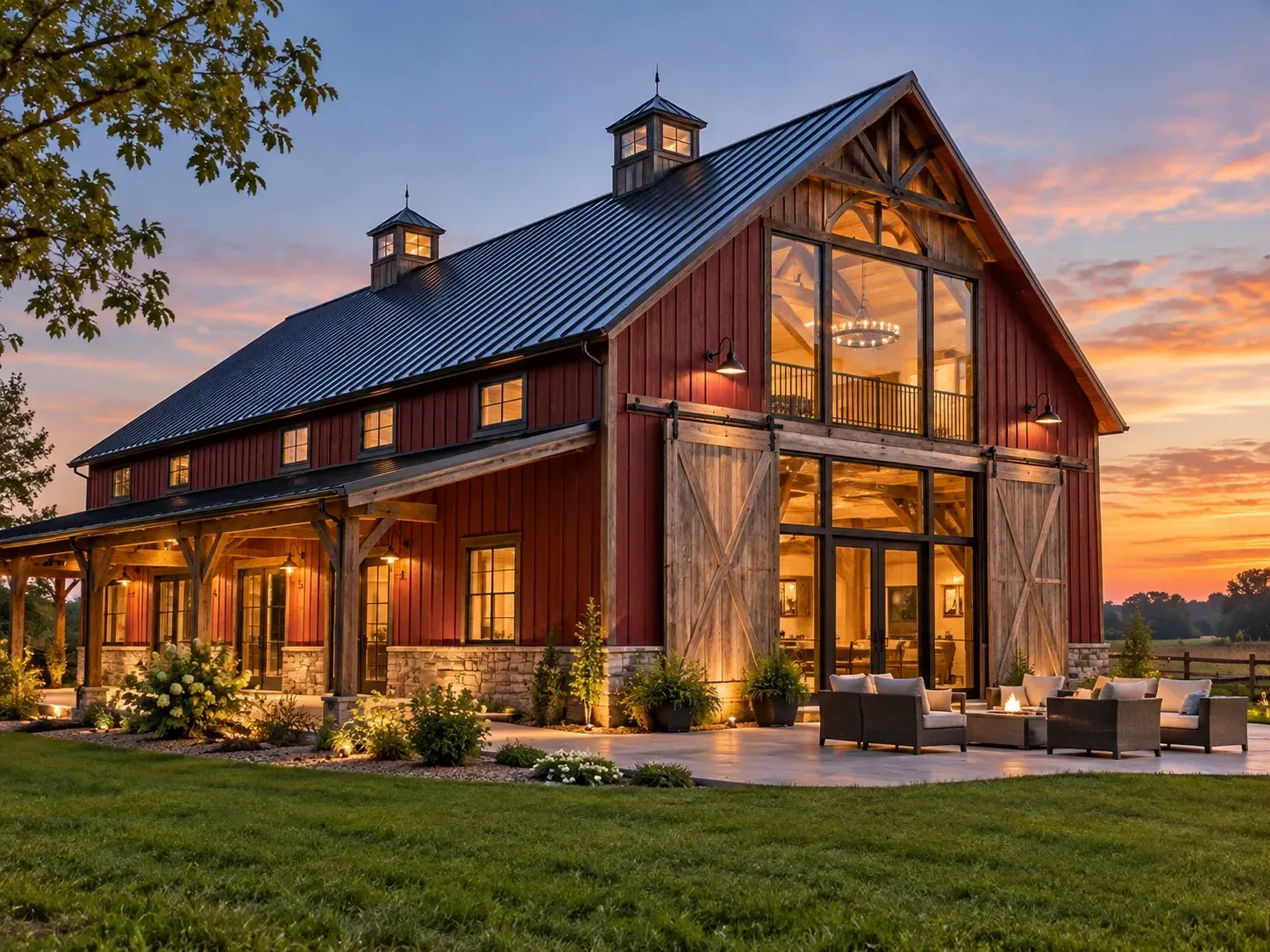
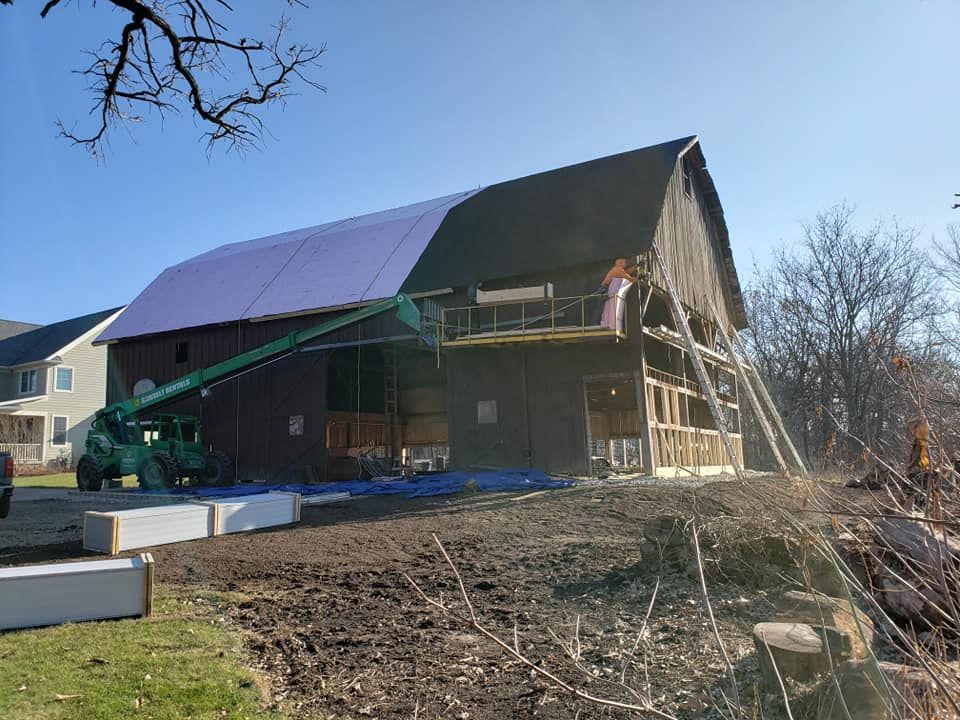
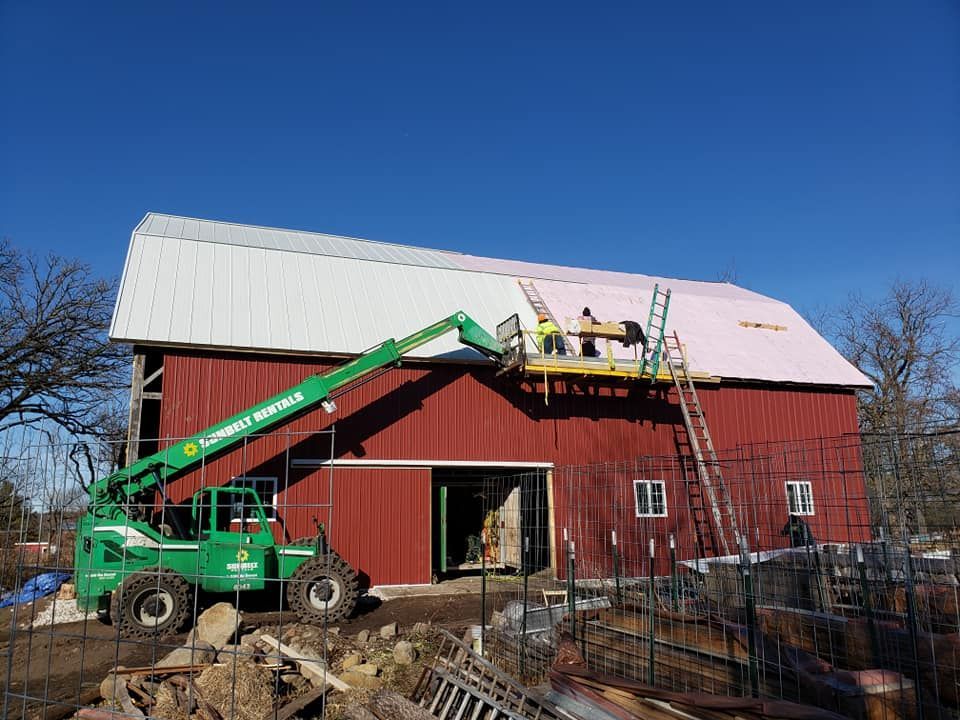
A well-planned barn restoration makes it possible to preserve what gives a structure its historic appeal while upgrading the features that help it perform for years to come. Whether the barn is used for storage, livestock, equipment, workshop space, or general farm operations, the goal is the same: protect the character, improve the function, and extend the life of the building.
For property owners in Beloit and across southern Wisconsin, warm-weather project season is the ideal time to start.
Why Barn Restoration Still Matters
Older barns often have solid bones and real craftsmanship behind them, but time takes a toll. Years of exposure to snow, rain, wind, and seasonal temperature swings can weaken roofing systems, siding, framing, doors, and structural connections. In many cases, the building still has value, but it needs skilled restoration work to make it dependable again.
Restoring a barn is not about making it look new for the sake of appearances. It is about identifying what can and should be preserved, addressing what is no longer performing properly, and making smart improvements that support how the building will actually be used.
For many property owners, that means keeping the original charm while upgrading the parts that affect durability, safety, and everyday function.
If your barn is showing signs of wear, working with a contractor who understands both preservation and performance is critical. Above The Peak Construction’s barn restoration services are built around that balance.
The Best Restorations Start with a Real Assessment
No two barns are exactly alike, and no restoration project should be approached with a one-size-fits-all mindset. Some structures need roofing improvements first. Others may have siding damage, aging supports, moisture issues, or layout limitations that affect how the building can be used.
That is why the first step in a quality restoration project is a full assessment. Before any work begins, the structure needs to be evaluated for:
- Roof condition
- Structural integrity
- Water intrusion or drainage issues
- Siding deterioration
- Door and access problems
- Functional limitations for current use
- Safety concerns caused by age or damage
This early planning stage matters because it helps property owners make decisions based on actual building conditions, not guesswork. It also helps prioritize the work that protects the structure long term.
Roofing Often Plays the Biggest Role
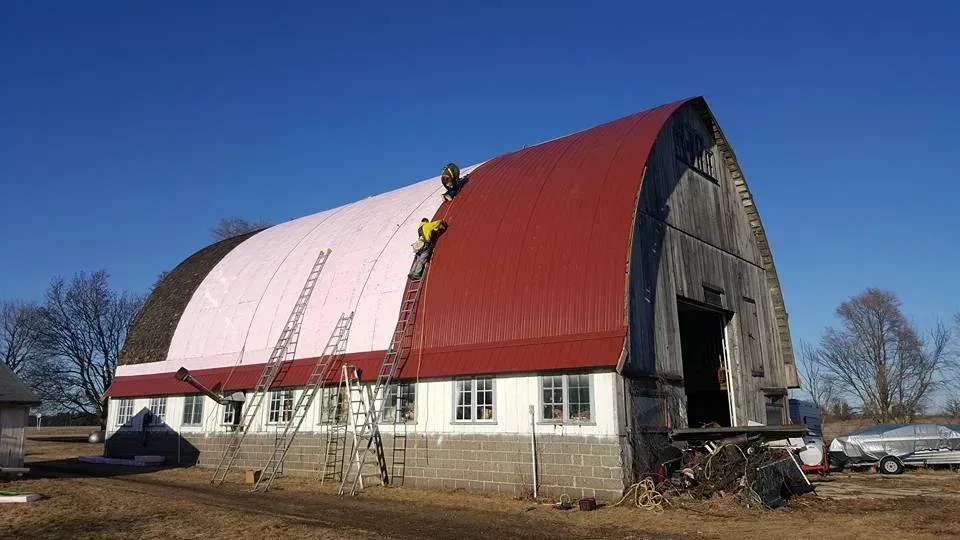
For many aging barns, the roof is the first place where restoration needs become obvious. Leaks, rust, missing materials, and storm wear can all lead to much larger structural problems if they are left alone.
A strong roofing system is one of the most important parts of any successful barn restoration because it protects everything underneath it. In many cases, updating the roof is the single biggest step toward stabilizing the building and preventing further deterioration.
For barns that need updated protection and long-term performance, Above The Peak Construction also offers metal roofing solutions that are well-suited for agricultural and rural structures. If the building’s exterior needs more comprehensive work, that roofing upgrade can be part of a larger restoration plan rather than a disconnected repair.
Preserving Character Without Preserving Problems
This is where a lot of property owners get stuck. They want to keep the barn’s original look, but they do not want to preserve the problems that come with age. That is the right mindset.
Good restoration work does not blindly leave everything untouched. It focuses on maintaining the elements that create the barn’s visual identity while replacing or reinforcing the parts that no longer do their job. That could mean updating roofing materials, reinforcing framing, improving access points, replacing failing exterior sections, or correcting drainage issues that threaten the foundation or surrounding structure.
The goal is not to erase the building’s history. The goal is to make sure that history is still standing and still useful.
Modern Function Looks Different for Every Property
Not every restored barn is being brought back for the same reason. Some owners want dependable agricultural use. Others need equipment storage. Some want workshop space, hobby space, or better multi-purpose utility on a rural property.
That is why modern function needs to be part of the restoration conversation from the beginning.
A restored barn may need:
- Better weather protection
- Improved access for vehicles or equipment
- Stronger structural support
- More practical interior use
- Exterior improvements that reduce maintenance
- Upgrades that better support how the property operates today
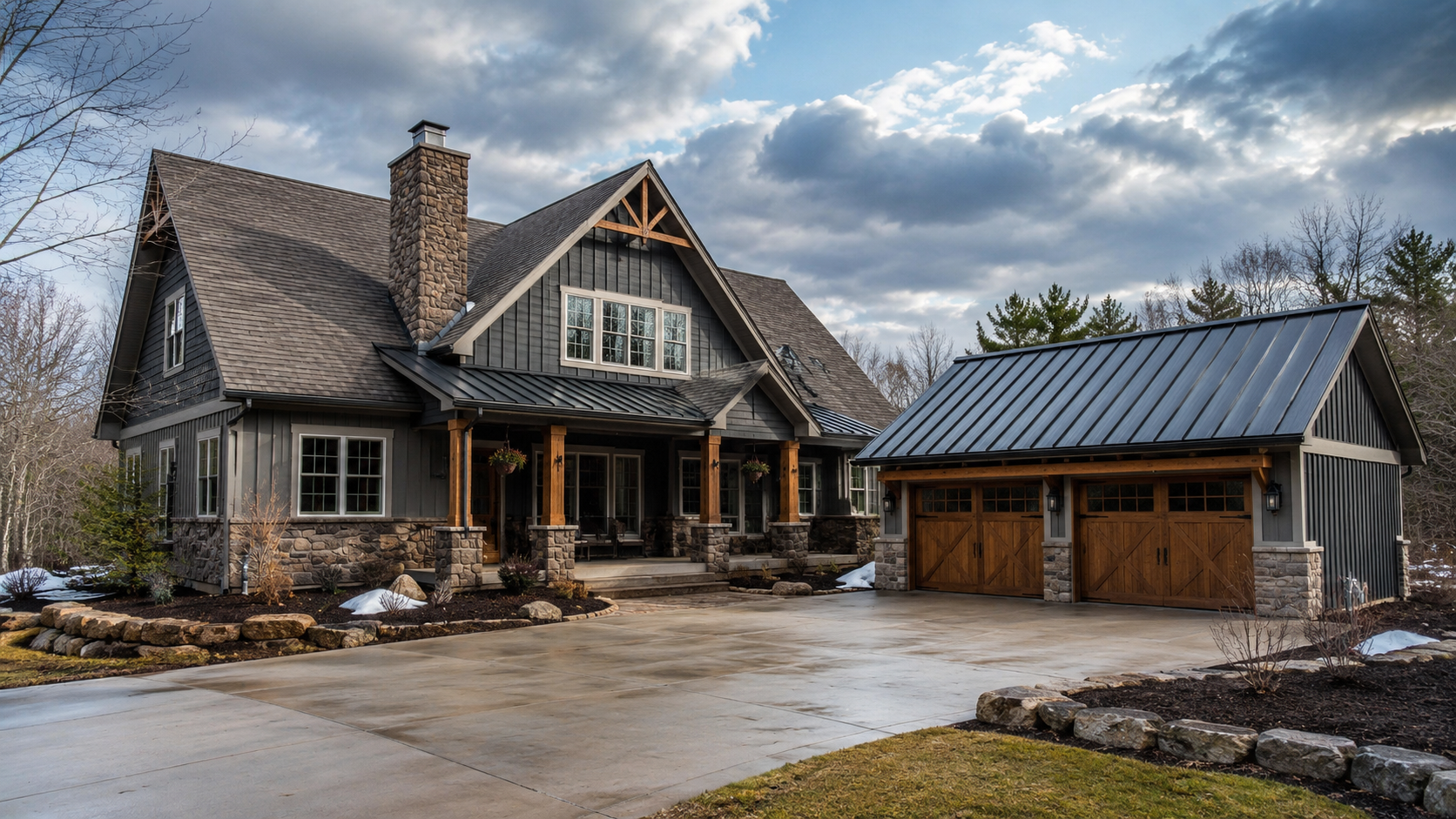
In some cases, restoration leads to the decision to expand or add additional structures. If your property needs more than repair alone, Above The Peak Construction also builds pole barns, including agricultural pole barns and equine pole barns, for owners who need new functional space alongside an older restored structure.
Exterior Improvements Can Extend the Life of the Building
Barn restoration is often about more than one problem area. When a structure has been exposed to Wisconsin weather for decades, exterior systems tend to age together. Roofing, siding, trim, drainage, and openings all affect how well the building holds up.
That is why exterior improvements are often part of a smart restoration strategy. Addressing the outside of the structure as a whole helps reduce repeat problems and protects the investment made in the restoration itself.
For example, some projects benefit from updated siding and gutters to help move water away from the structure and improve exterior durability. When those improvements are handled as part of a coordinated restoration effort, the result is usually stronger and more efficient than piecemeal fixes spread out over time.
Restoration Is About Value, Not Just Repair
Some property owners hesitate to invest in restoration because they view the barn as an old structure that may not be worth the cost. That is the wrong way to look at it.
A valuable barn is not just a new barn. A valuable barn is one that serves a purpose, complements the property, and avoids becoming a liability. When restoration is done correctly, it protects the usefulness of the structure, improves the look of the property, and can prevent more expensive failure down the road.
It also reinforces something that matters to many rural property owners: the property keeps its identity. That older barn remains part of the land instead of becoming another structure lost to neglect.
Warm Weather Is the Right Time to Start
May is one of the best times to begin planning and scheduling a barn restoration project in Wisconsin. The weather is more favorable, project conditions are more workable, and there is time to address issues before late-summer storms, fall moisture, and winter snow loads return.
Starting in warm weather also gives property owners more room to plan restoration work strategically instead of reacting to emergencies later. Waiting until a roof leak gets worse or structural wear becomes obvious under winter stress is how manageable projects turn into more expensive ones.
If the barn is part of an active farm or working property, early scheduling also makes it easier to coordinate around the busiest seasons.
Why the Right Contractor Makes the Difference
Barn restoration is not basic repair work. It takes judgment, planning, and a clear understanding of how to balance preservation with performance. Rural property owners need a contractor who can look at the building honestly, recommend the right work, and carry out the project with craftsmanship that respects both the history of the structure and the demands of modern use.
That is where Above The Peak Construction stands out.
From barn restoration and metal roofing to broader building services, the company works with Wisconsin property owners who need practical construction solutions backed by real experience. Whether the goal is to restore an aging barn, improve exterior protection, or add new usable space to the property, the work should be approached with long-term function in mind.
Preserve the Charm. Improve the Performance.
An old barn does not have to stay outdated to stay meaningful. With the right restoration plan, you can keep the character that makes the structure worth saving while improving the strength, usability, and protection that make it worth keeping.
If you are considering a barn restoration project in Beloit or the surrounding area, Above The Peak Construction is ready to help you evaluate the structure and create a plan that makes sense for your property.
Ready to get started? Contact us to discuss your barn restoration project.