A Practical Guide for Janesville Property Owners on Structural Integrity and Winter Maintenance
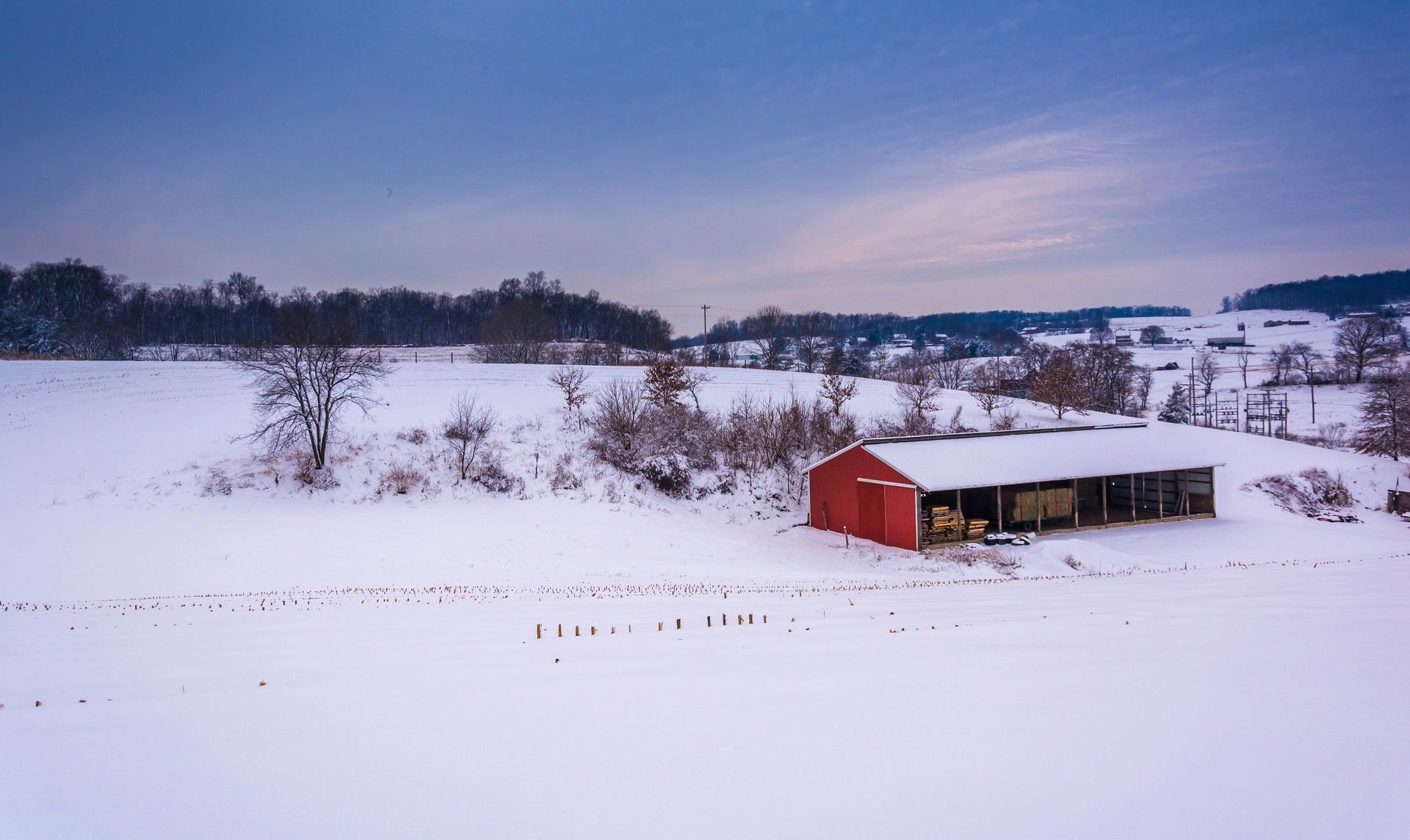
In Southern Wisconsin, we are no strangers to heavy snowfall. While a blanket of fresh snow over a Janesville farmstead can look picturesque, it represents a significant structural challenge for large outbuildings. Unlike residential homes, barns and pole buildings often feature expansive roof spans that are particularly susceptible to the immense weight of accumulated snow and ice.
At Above The Peak Construction, we specialize in building and reinforcing structures that stand up to the "Wisconsin Swing." Understanding snow loads isn't just about engineering—it's about protecting your livestock, your equipment, and your peace of mind.
Understanding the Weight: What is "Snow Load"?
Snow load is the downward force exerted on your roof by accumulated precipitation. In Wisconsin, residential codes typically require roofs to handle 30 to 60 pounds per square foot (PSF). However, agricultural buildings often fall under different standards, making it vital for owners to be proactive.
It’s important to remember that not all snow is created equal:
- Light, Fluffy Snow: About 5–20 lbs per cubic foot.
- Packed/Wet Snow: Can jump to 20–40 lbs per cubic foot.
- Ice: A staggering 58 lbs per cubic foot.
A heavy, wet spring snow can easily triple the weight on your trusses compared to a mid-winter "dry" powder.
Warning Signs of Structural Stress
Your building will often "talk" to you if the weight is becoming dangerous. During a heavy winter, keep an eye (and ear) out for these red flags:
- Creaking or Popping: New or unusually loud noises coming from the roof during a snow event.
- Sagging Roofline: Visible dipping in the ridge or the eaves.
- Misaligned Doors: If your large sliding barn doors or overhead garage doors are suddenly difficult to open or "sticking," it could mean the frame is compressing under weight.
- Bowing Trusses: If you can safely see the interior framing, look for any slight curves or "bowing" in the bottom chords of the wood trusses.
Proactive Steps for Rural Property Owners
Safety starts long before the first blizzard hits. Here is how you can protect your investment:
1. Inspect Your Trusses & Fasteners Check for any split wood or rusted metal connectors. For older pole barns, reinforcing critical joints with extra bracing can significantly increase the load-bearing capacity.
2. Manage Snow Drifting Prevailing winds in Rock County often cause snow to "drift" on one side of a roof. This unbalanced load is actually more dangerous than a heavy uniform load, as it puts twisting pressure on the structure. If you see deep drifts on one slope, it’s time to take action.
3. Clear Your Drainage Ice dams are a major culprit of structural weight. Ensure your gutters are clear and your downspouts are diverted away from the building foundation. When snow melts and refreezes at the eave, it creates a heavy ice "anchor" that can pull on your roofing panels.
Safe Snow Removal: Don't Become a Statistic
If you must remove snow, safety is the only priority.
- Stay on the Ground: Use a telescoping roof rake. Never climb onto a snow-covered, pitched metal roof.
- The "One-Inch" Rule: You don't need to scrape the roof bare. Leaving an inch of snow protects the roofing material from damage and prevents you from slipping.
- Watch the Perimeter: Ensure people and livestock are far away from the eaves. A "snow slide" on a metal roof can happen in a split second and carries enough force to be fatal.
The Above The Peak Advantage
Whether you are planning a new pole building or need to reinforce an existing barn, we build for the long haul. We utilize high-grade lumber, engineered trusses, and superior fastening systems designed specifically for the Wisconsin climate.
Is your building ready for the next big one? Don't wait for a "sticking" door or a sagging ridge to call for help. At Above The Peak Construction, we provide expert inspections and structural upgrades to ensure your outbuildings remain the strongest part of your property.
📞 Call us today at 608-751-9241 for a winter-readiness assessment or to discuss your next construction project.